Inside iGaming: What Separates Sharp Players From the Rest
Walk into any online casino lobby at 2 a.m. and you will see two very different kinds of players. One is chasing a bonus through six accounts, betting the minimum on a high-volatility slot, and wondering why the balance never seems to move. The other has a spreadsheet open, knows exactly which table has the best rake, and treats the whole thing like a part-time job with an edge. The gap between them rarely comes down to luck. It comes down to understanding how the machinery actually works.
iGaming is not one thing. It is slots, poker, sports betting, live dealer tables, crash games, and a dozen other formats stitched together under one roof. Each has its own math, its own rhythm, and its own breed of player. If you want to stop donating and start playing with purpose, you need to know which game rewards which skill.
Slots: The House Edge Is the Whole Story
Slots get dismissed as dumb luck, and honestly, the outcome of any single spin is luck. But the long-run picture is pure arithmetic. Every slot has a return-to-player percentage, usually somewhere between 94% and 97% on modern online machines. That 3% to 6% is the casino's cut, and it never sleeps.
What most casual players miss is that RTP is not the only number that matters. Volatility is the one that decides whether you actually survive long enough to feel that return. A 96% RTP slot with extreme volatility might pay nothing for 400 spins and then drop a 5,000x multiplier. A low-volatility slot at 95% will trickle small wins constantly. Same theoretical return, completely different experience.
- Check the RTP before you spin. Some slots ship with multiple versions; the 94% one is a trap next to the 96.5% one.
- Volatility should match your bankroll. If you have 100 euros and want an hour of play, high-volatility monsters will eat you alive.
- Bonus buy features are rarely free money. They usually price in an extra margin for the casino, sometimes 1% or more on top of the base RTP.
A useful rule of thumb: divide your session bankroll by at least 200 bets. If your average spin is one euro, you want at least 200 euros to give the math room to breathe. Anything less and you are gambling on variance alone, not on the game's actual return.
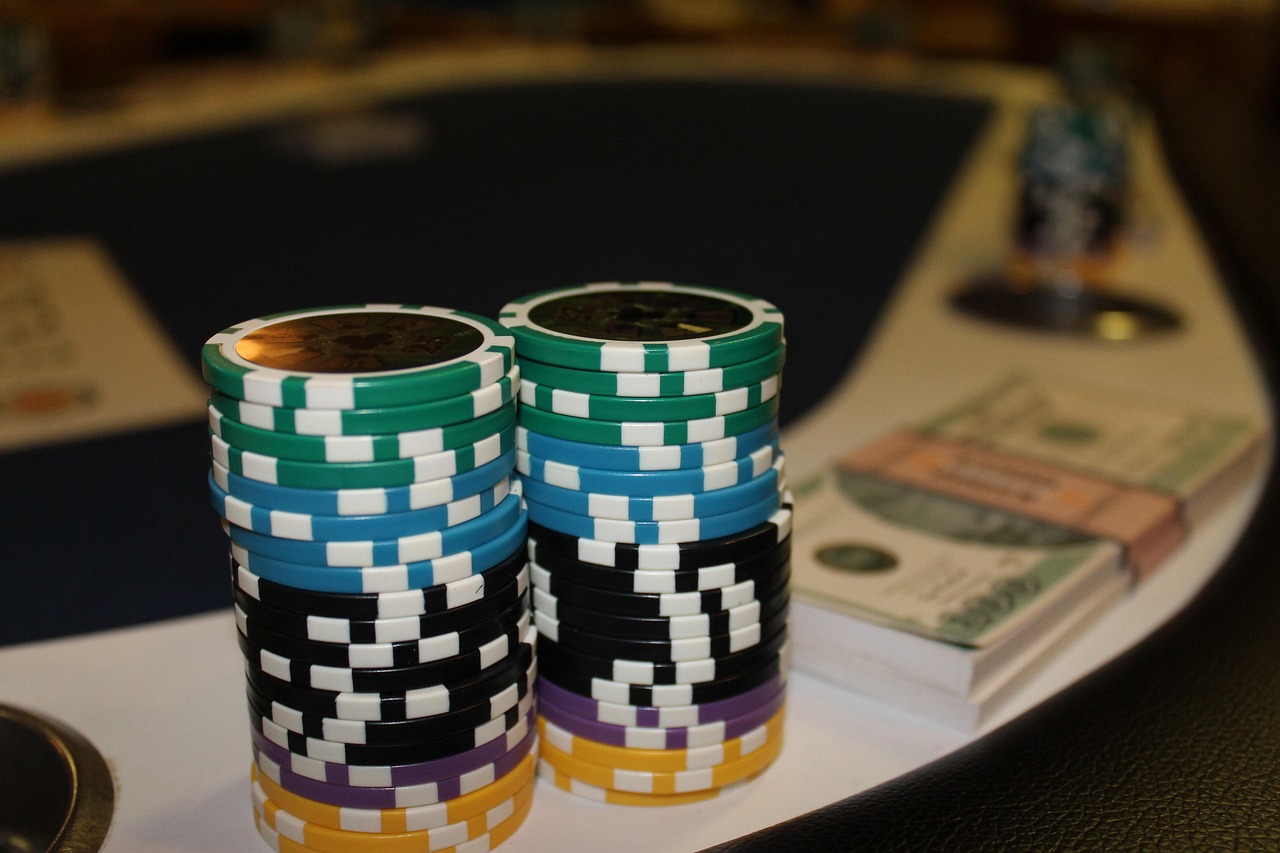
Poker: The Only iGaming Format Where You Beat People, Not a Machine
Poker is the odd one out. You are not fighting a house edge; you are fighting other players, and the house just takes a rake. That single fact changes everything. A good player can have a positive expected value over thousands of hands, which is essentially impossible in slots or roulette. slot deposit 5000 is a solid starting point for anyone new to this.
The rake is the silent killer, though. At micro-stakes online tables, the rake can effectively be 5% to 10% of every pot, which means you have to be significantly better than your opponents just to break even. This is why table selection matters more than almost anything else. Sitting at a table full of regulars who all use tracking software is a slow bleed. Sitting with three recreational players who limp into every pot is where the money is.
Three habits that separate winning poker players
- They track results. Not vibes, not feelings, actual hands played, win rate in big blinds per 100 hands, and showdown stats.
- They fold more than they want to. Most losing players call too much preflop and chase too many draws. Discipline is boring and profitable.
- They adjust to the table. Against a loose aggressive player, you tighten up and trap. Against a nit, you steal blinds relentlessly.
Tournament poker adds another layer. The payout structure is top-heavy, so survival has real equity value. Near the bubble, folding a hand that would be an easy call in a cash game is often correct, because the value of moving up one pay jump can exceed the chip EV of the call.
Betting: Where Information Beats Instinct
Sports betting is where the sharpest minds in iGaming actually live. The margin on a typical football match is around 5% to 7% built into the odds, which means you need to find pricing errors, not just pick winners. A 55% win rate against a 5% margin still loses money.
The edge comes from information the market has not fully absorbed. Injuries to a key defensive midfielder, weather in a stadium that favors under bets, or a team playing its third match in six days. Closing line value is the single best predictor of long-term betting success. If your bet consistently beats the closing odds, you are doing something right, even if the result on the night goes against you.
- Shop lines. The difference between 1.90 and 2.00 on the same outcome is enormous over hundreds of bets.
- Avoid parlay addiction. Combining legs multiplies the bookmaker's margin, not your edge.
- Bet in units, not euros. One unit equals 1% to 2% of your bankroll, and it keeps you rational when a cold streak hits.
The Bonus Trap Nobody Talks About
Welcome bonuses look generous until you read the terms. A 100% match up to 200 euros with a 40x wagering requirement means you have to bet 8,000 euros before you can withdraw anything. If the bonus is tied to a 94% RTP slot, the expected loss on that wagering alone is 480 euros. You are essentially paying for the privilege of chasing the bonus.
That is not to say bonuses are worthless. A 100% match with 20x wagering on a 97% slot is a genuinely positive offer. The trick is to treat the wagering requirement as a cost, not a gift, and calculate whether the expected value is actually positive before you claim it.
Bankroll Management Is the Real Skill
Ask ten professional iGaming players what matters most and eight of them will say bankroll management. It is not glamorous. It is the difference between playing for a decade and busting in a weekend.
The core principle is separation. Your gambling bankroll should be money you can afford to lose entirely, kept apart from rent, savings, and emergency funds. Once that is set, every game gets a stake size. For poker cash games, 20 to 40 buy-ins is a reasonable buffer. For tournament poker, 100 buy-ins. For sports betting, 1% to 2% per bet. For slots, a session limit that lets you spin at least 200 times.
The second principle is stopping. A stop-loss is not a sign of weakness. It is what keeps a rough night from becoming a rough month. Set a number before you start, and when you hit it, log off, even if you feel a hot streak coming. You almost certainly do not.
The Long Game
iGaming rewards players who treat it like a discipline rather than a thrill. The person who reads the RTP before spinning, folds the marginal hand, shops the odds, and walks away at the stop-loss will, over time, do better than the person who plays on emotion. None of this guarantees wins. The house still wins in aggregate. But the difference between being a recreational player who occasionally cashes out and one who slowly bleeds is not luck. It is process, and process is something you can build starting tonight.

You Might Also Like
A practical guide to the shoulder room, sleeve width and fabrics that let a winter coat sit comfortably over thick sweaters — and the fit checks worth doing before you buy.
Which knits to wear under a winter coat, in what order, and how thick each layer should be to stay warm without the padded look.